

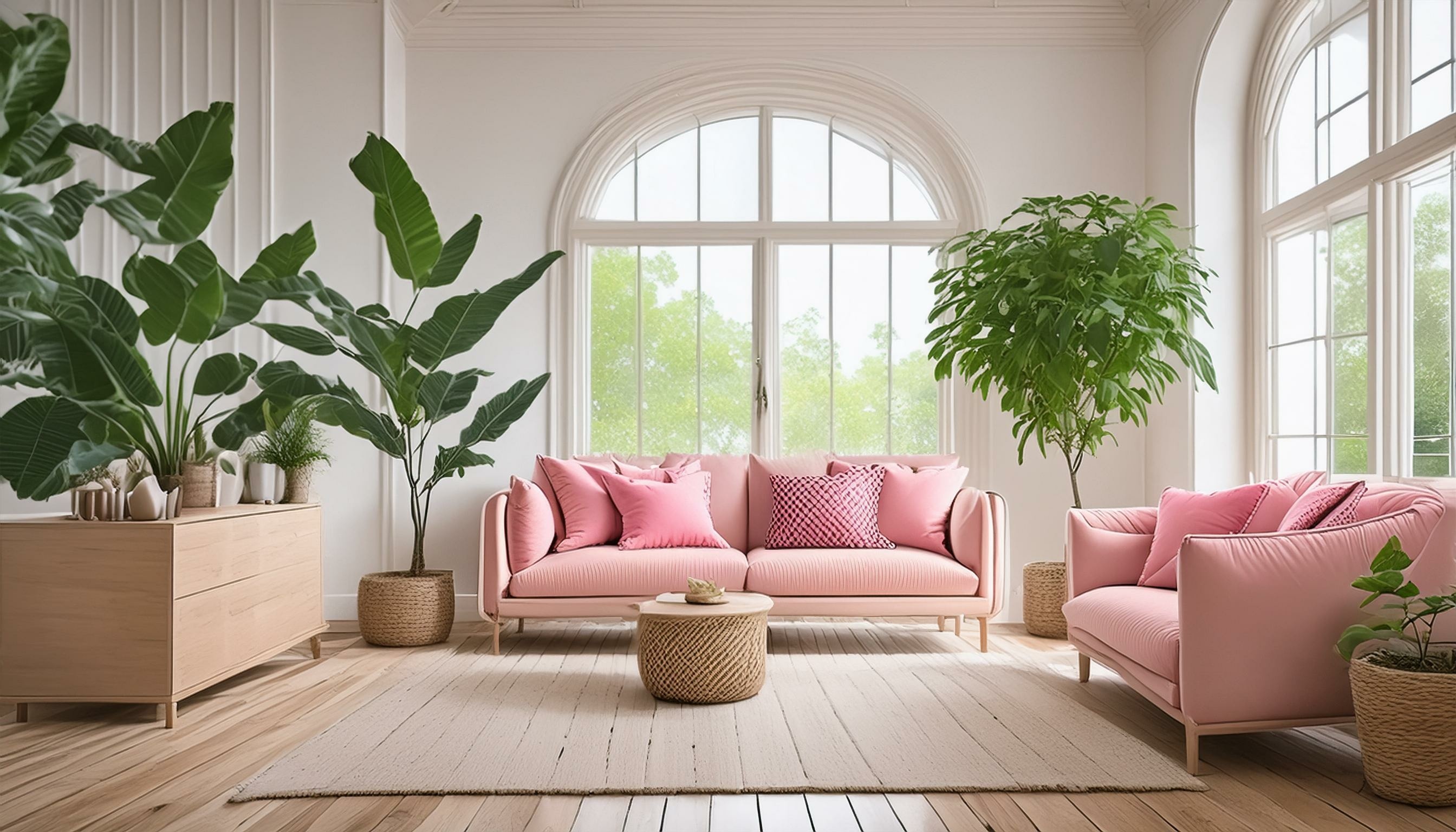
Every home has those high-traffic zones—the entryway that absorbs every season, the hallway that sees a hundred footsteps a day, the kitchen where life constantly happens. At Ridgefield Industries, we help homeowners choose hardwood that can withstand real movement, real families, and real Midwest weather without losing the elegance that defines a well-designed space.
Choosing species for durability isn’t just about hardness. Grain pattern, cellular structure, finish compatibility, and color stability all play major roles in how your floors age. This guide goes deeper than the typical “pick the hardest wood” advice. Instead, we’ll show how to choose species that balance longevity with beauty.
Start With the Janka Hardness Scale
The Janka scale measures how resistant a wood species is to denting. It’s a useful starting point:
• White oak: 1360
• Hard maple: 1450
• Hickory: 1820
• Walnut: 1010
But hardness alone doesn’t tell you how the floor will look after years of use. Grain, color variation, and finish all influence perceived durability.
For example:
Hard maple is tougher on paper—but its uniform grain shows every scratch.
Walnut is softer—but its dark, complex pattern hides wear gracefully.
Durability is both physical and visual.
White Oak
White oak is the gold standard for busy homes and for good reason:
• High natural hardness
• Closed-grain structure that hides micro-dents
• Excellent stain absorption
• Takes matte finishes beautifully
• Stable across seasons
Its mid-tone color also masks wear exceptionally well. This is why designers default to white oak for kitchens, hallways, and great rooms—it simply handles life better.
Hickory
If you want the toughest North American hardwood commonly used in flooring, look at hickory.
• Extremely high hardness
• Distinctive grain that deflects the eye from imperfections
• Strong resistance to seasonal movement
• Holds up beautifully in mudroom and entry areas
Hickory’s natural contrast can be polarizing, but when finished in a softened matte or neutral tone, it becomes a visually dynamic yet durable choice.
Maple
Maple is hard—but visually unforgiving.
Its tight grain and pale tone make even small scratches obvious. And its dense structure can resist deep stain penetration, which limits color control.
Maple works best in:
• Low-traffic bedrooms
• Contemporary spaces with minimal wear
• Homes seeking a sleek, light, Scandinavian tone
For high-traffic areas, we typically recommend white oak instead.
Walnut
Walnut is beloved for its rich chocolate tones and organic elegance. Even though it’s softer, it performs better than expected in busy spaces.
Why?
Because its dark, varied grain masks imperfections beautifully.
Pair walnut with:
• A matte or oil-rubbed finish
• Wider planks
• Warm, indirect lighting
You’ll get a luxurious floor that ages gracefully, even in active homes.
Grain Pattern
Straight, subtle grain (like maple) shows every flaw.
Complex, variegated grain (like hickory or walnut) hides impact.
Mid-range grain species like white oak offer the best balance: soft movement that camouflages daily wear while staying refined.
Finish Choice Completes the Story
For high-traffic rooms, matte or ultra-matte finishes outperform satin or gloss every time.
They:
• Minimize visible scratches
• Improve slip resistance
• Reduce light reflection
• Keep the wood looking natural
Pairing durable species with the right finish results in long-term stability and beauty.
High-traffic rooms demand hardwood that can handle your daily rhythm without losing its character. At Ridgefield Industries, we guide you through species, grain, finish, and plank width to build a floor that meets both durability needs and design aspirations.
Visit us or call us today to explore wood species and finishes perfect for the busiest spaces in your home.
Serving Crystal Lake, IL.


