

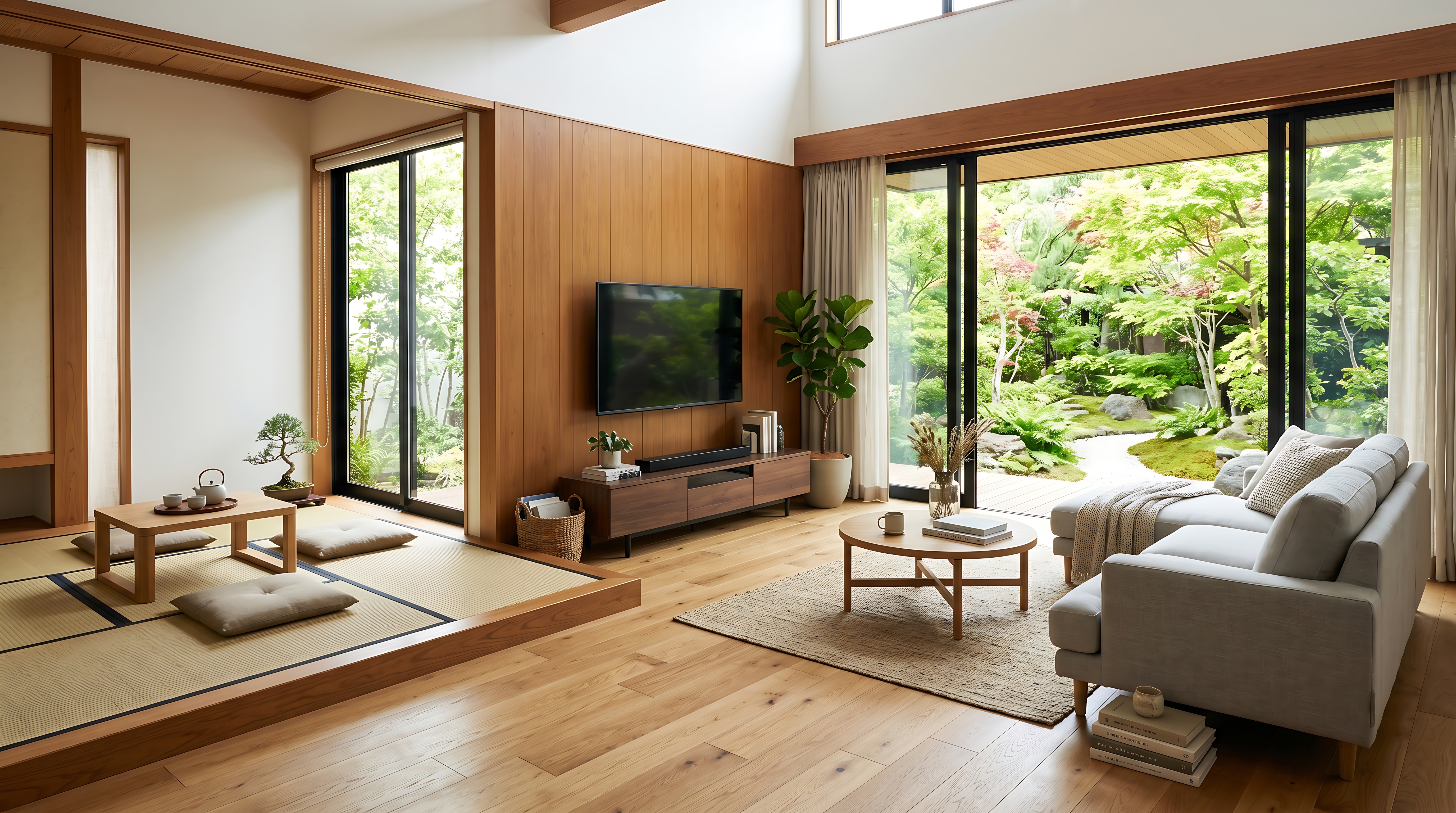
For decades, oil based polyurethane was simply the assumed choice for a hardwood floor, and waterborne finishes were treated as the lighter, less durable alternative meant mostly for people in a hurry. That reputation has not kept pace with the actual chemistry, and the finish conversation happening in the flooring industry right now looks very different from the one that shaped most people's assumptions.
At Ridgefield Industries, this comes up in nearly every finish selection conversation, since the right answer now depends on specific priorities rather than a blanket rule about which finish is simply better.
Why Oil Based Finishes Earned Their Reputation
Oil based polyurethane cures through a slower oxidation process, which historically produced a thicker, more amber toned film with strong perceived durability. That slow cure also meant a longer wait before furniture could go back into a room, along with a stronger odor during application that could linger for days in an occupied home.
The amber tone oil based finishes develop over time is not a flaw, it is a genuine characteristic some homeowners specifically want, since it deepens the warmth of lighter wood species like white oak or maple as the finish ages. This is part of why oil based finishes remain a deliberate choice in certain design directions rather than simply a legacy option people settle for.
What Actually Improved in Waterborne Formulas
Early waterborne finishes genuinely struggled to match oil based durability, which is where the outdated reputation comes from, but the resin technology behind modern waterborne systems has changed substantially. Newer waterborne formulas use more advanced polyurethane and acrylic blends that close much of the historical durability gap, particularly when paired with a quality applicator and proper cure time.
The clearer, non ambering finish that waterborne systems produce is now a genuine advantage rather than a compromise, especially for homeowners choosing lighter wood tones or gray toned stains where an amber cast would work against the intended look. Odor during application is also significantly lower, and cure time between coats is faster, which shortens the overall installation timeline in ways that matter for a household trying to get back into a room.
Where the Real Tradeoffs Still Exist
Neither finish type is universally superior, and the honest comparison depends on what a homeowner is optimizing for. Oil based finishes still tend to offer a slightly warmer, more traditional depth of color and a track record measured in decades rather than years, which matters to homeowners who value that specific aesthetic and are comfortable with the longer cure time and stronger odor during application.
Waterborne finishes offer faster turnaround, lower odor, and a clearer finish that preserves the wood's natural color, which increasingly matters in occupied homes, in households with sensitivities to strong odors, or in projects where matching an existing lighter tone is the priority. The performance gap that once made this an easy decision has narrowed enough that the choice now comes down to genuine preference rather than one option being the clear winner.
How Application Quality Affects Both Finish Types
Regardless of which finish chemistry is used, the skill of the application has more influence on the finished result than most homeowners realize. An unevenly applied waterborne finish will underperform a well applied oil based finish, and the reverse is equally true, which is why the applicator's experience with a specific finish system matters as much as the finish type itself.
Number of coats, sanding between coats, and environmental conditions during application, including humidity and temperature, all affect how either finish cures and performs over the life of the floor. This is worth discussing directly with whoever is doing the finishing work, since these details often matter more to the final outcome than the underlying chemistry debate.
Making the Right Choice for Your Home
There is no single correct answer between waterborne and oil based finish, only the one that matches your specific priorities around color, timeline, and how the space is used day to day. A newly finished floor in a home with young children or pets who need to return to the space quickly may lean toward waterborne, while a homeowner chasing a rich, traditional amber tone in a formal space may still prefer oil based.
Bringing both finish types into your actual lighting, ideally on a sample of the specific wood species you are considering, is the most reliable way to see how each will genuinely look and age in your home. Photos and showroom lighting rarely tell the full story here.
Choosing between waterborne and oil based finish is a genuinely personal decision once you understand what each one actually offers today. Our team at Ridgefield Industries can walk you through both options on real samples so you can see the difference for yourself. Reach out through our Contact Us page to talk through your project, or explore our full range of hardwood flooring finished to your specification. We proudly serve Crystal Lake, IL from Crystal Lake, IL, and we are glad to help you choose a finish that fits the home you actually live in.


